


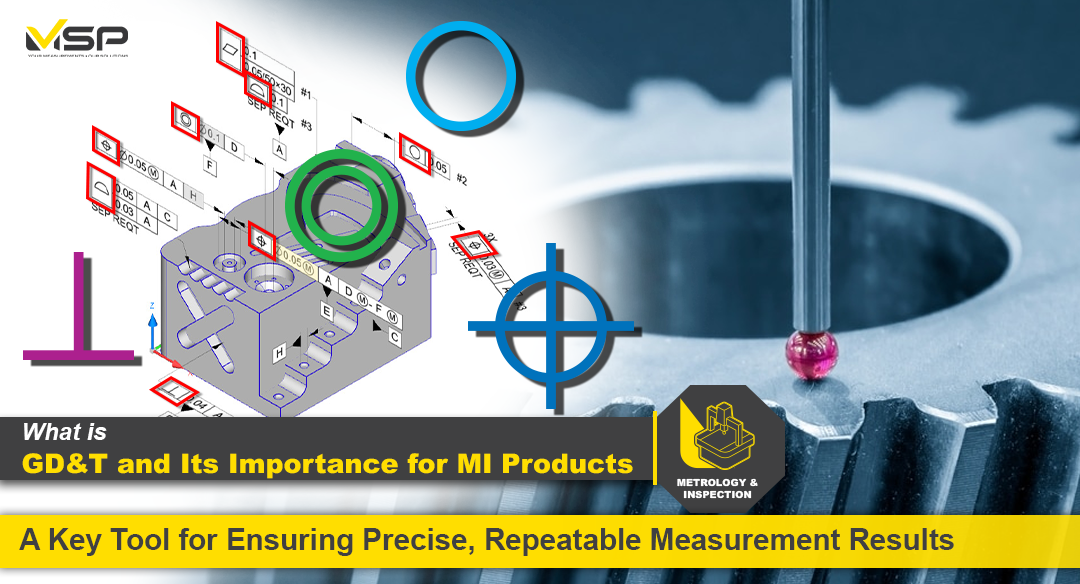
What Is GD&T? (Geometric Dimensioning & Tolerancing)
GD&T is a symbol-based engineering language used to describe the exact shape, size, and location requirements of a part.
Instead of using only numbers (like ±0.05 mm), GD&T uses geometric symbols to tell manufacturers and inspectors what the part is supposed to look like in 3D space.
It answers these questions:
-
How flat should this surface be?
-
How round must this hole be?
-
How straight must this edge be?
-
Exactly where should this hole be located?
-
How much variation is allowed?
GD&T makes these requirements clear and universal, so everyone—from design to production to inspection—understands the part the same way.
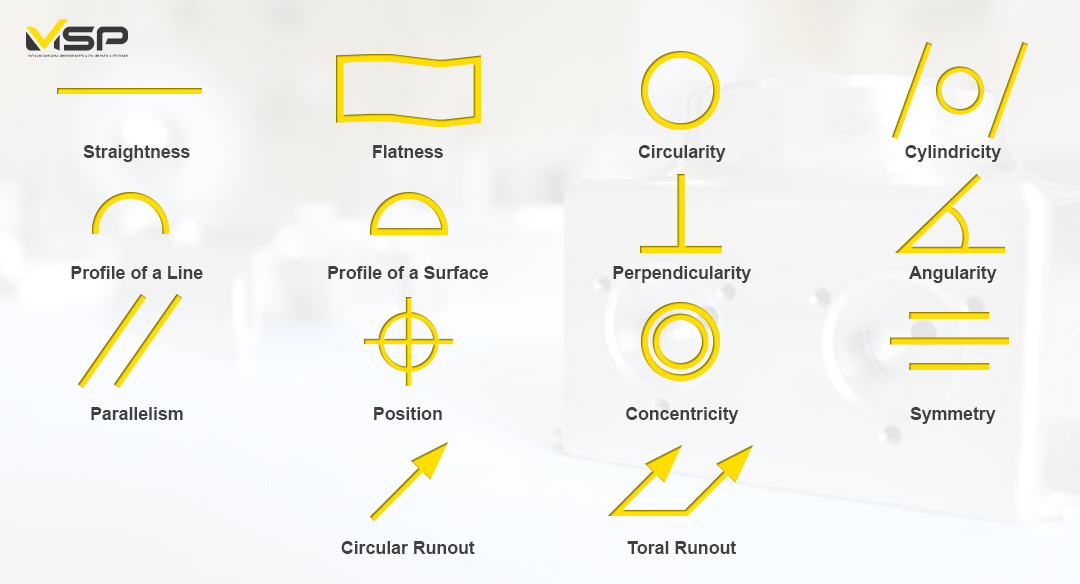
Why GD&T Exists
Traditional tolerances (like ±0.1 mm) only control size.
They do NOT control shape or position, which often causes:
-
misunderstandings between engineers and machinists
-
parts that don’t fit during assembly
-
unnecessary rejections
-
higher production costs
GD&T solves these problems by defining geometric accuracy.
The 3 Main Types of GD&T Controls
GD&T symbols are grouped into three main functions:
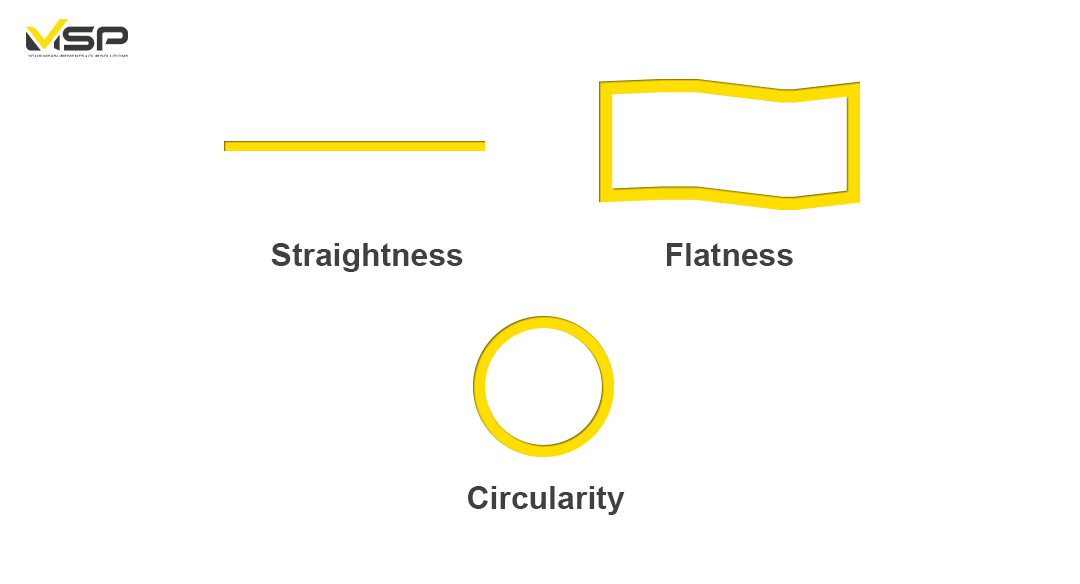
1. Form Controls
Make sure the part’s shape is correct.
Examples:
-
Straightness – edges or axes must be straight
-
Flatness – surface must be flat
-
Circularity – circular shapes must be even
These ensure the part’s basic geometry is correct.
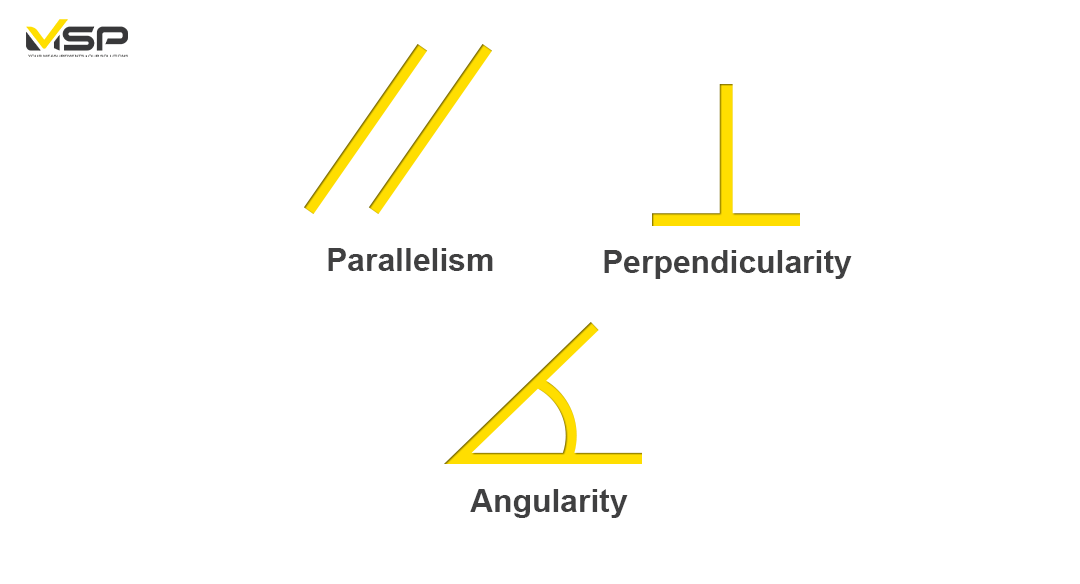
2. Orientation Controls
Make sure surfaces are properly angled or aligned.
Examples:
-
Parallelism – two surfaces must stay parallel
-
Perpendicularity – surface must be exactly 90°
-
Angular orientation – must match a given angle
These help parts fit and assemble without stress.
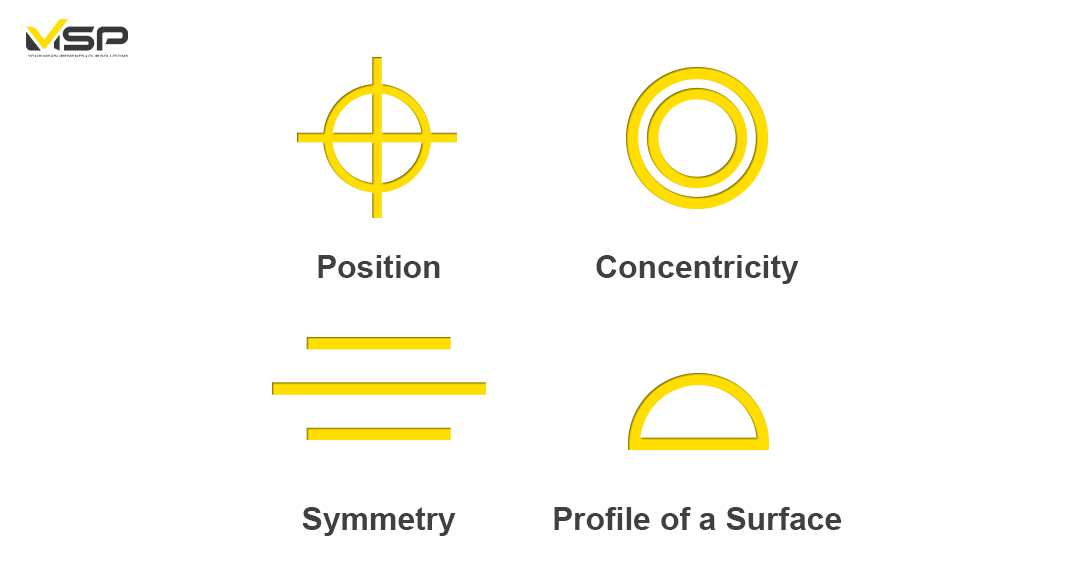
3. Location Controls
Make sure features are in the correct place.
Examples:
-
True Position – exact location of a hole or feature
-
Concentricity – centers aligned
-
Symmetry – features balanced
-
Profile – surface or line follows the correct shape
These ensure assembly accuracy.
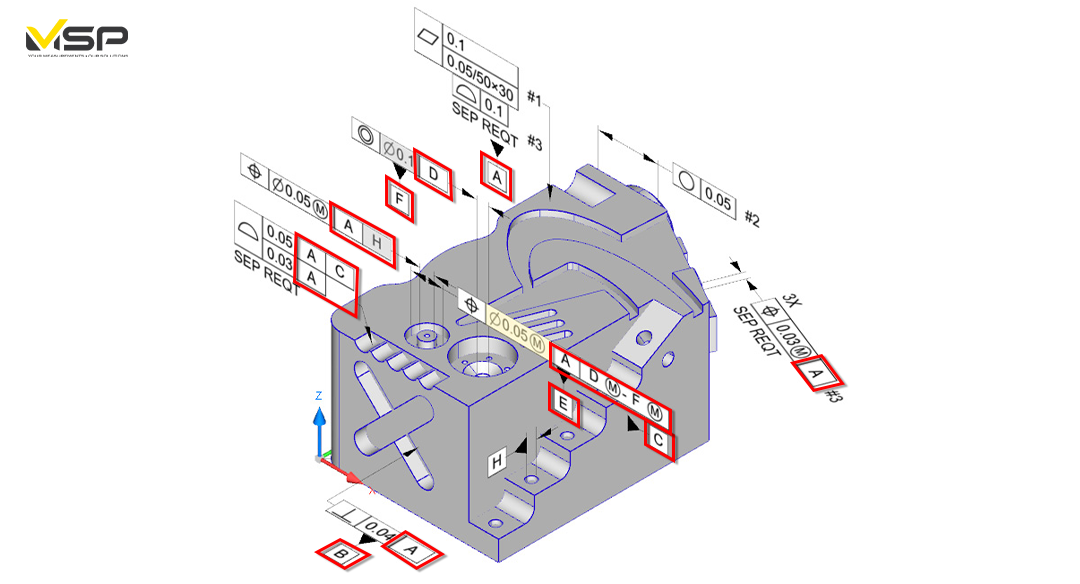
What Are Datums? (Very Important in GD&T)
A datum is a reference point or surface used to measure everything else.
Datums in GD&T are theoretical, perfect reference points, lines, or planes (like an ideal origin) that act as anchors for measuring other features on an imperfect part, ensuring consistent location, orientation, and form control, much like using sea level as a datum for elevation, but based on the part’s function.
You establish these by using Datum Features (real surfaces, holes, edges on the part), which measurement tools then simulate to create the perfect datum.
Think of it like:
📏 “Home position” for measurement
📌 The starting point for checking the part
🔧 The reference that CMM/VMM uses to calculate GD&T values
Without datums, all measurements become confusing and inconsistent.
Why GD&T Is Critical for MI Products
MI equipment (CMMs, VMMs, OMMs, scanners, CTs) are built to read and inspect GD&T requirements.
Here’s why GD&T is so important for these machines:
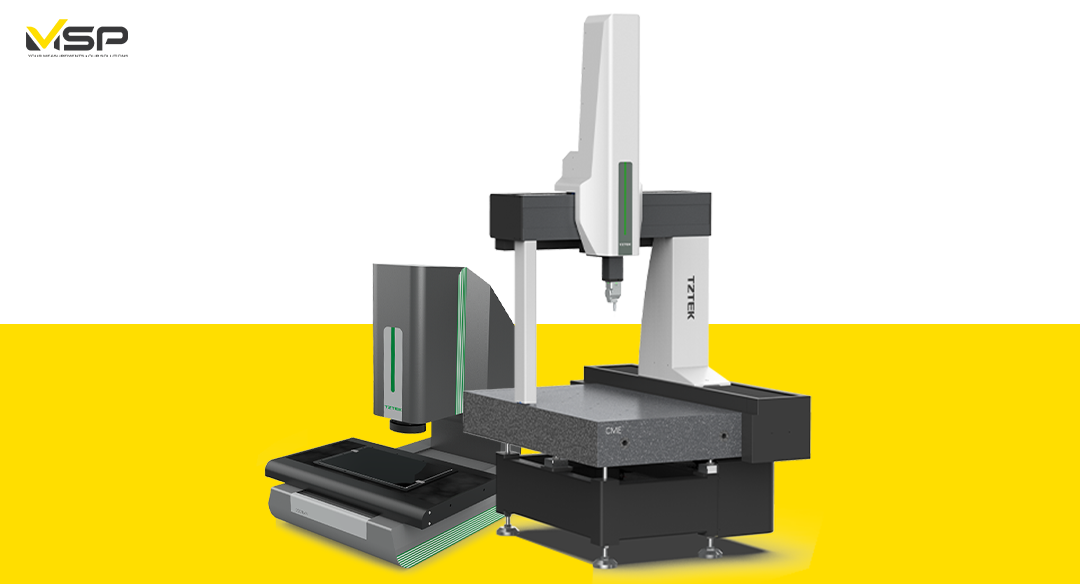
1. MI Machines Need GD&T for Correct Measurement
A CMM or VMM must know:
-
what the tolerances are
-
which surface is a datum
-
which feature to measure
-
what shape or position to check
GD&T gives the machine clear instructions.
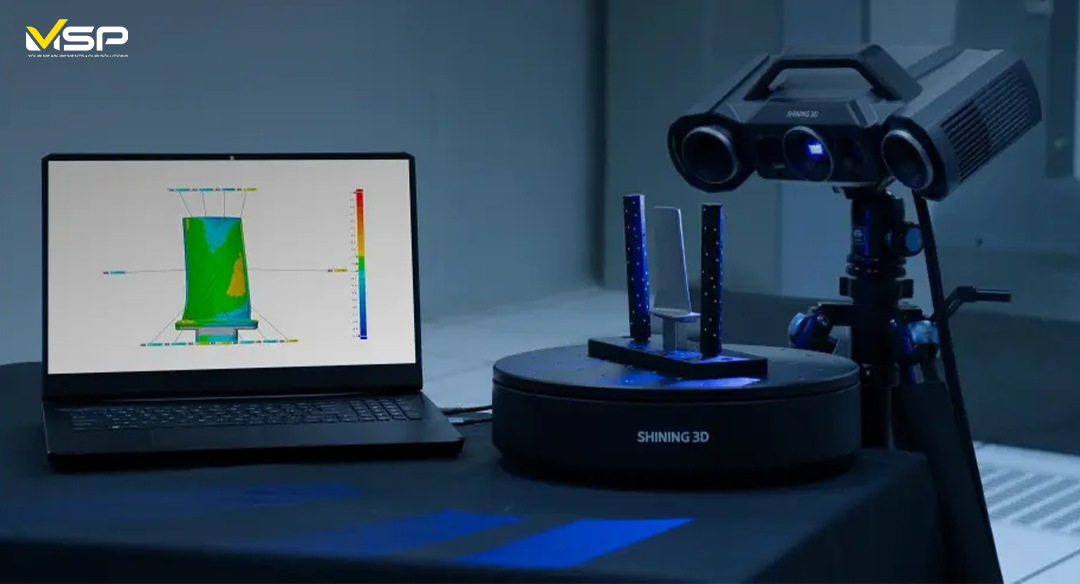
2. Allows Advanced 3D Inspection
Modern quality control is not just checking size.
GD&T allows MI products to measure:
-
flatness of large surfaces
-
profile of complex shapes
-
true position of holes
-
deviation maps
-
3D surface errors
Without GD&T, 3D inspection would not be meaningful.
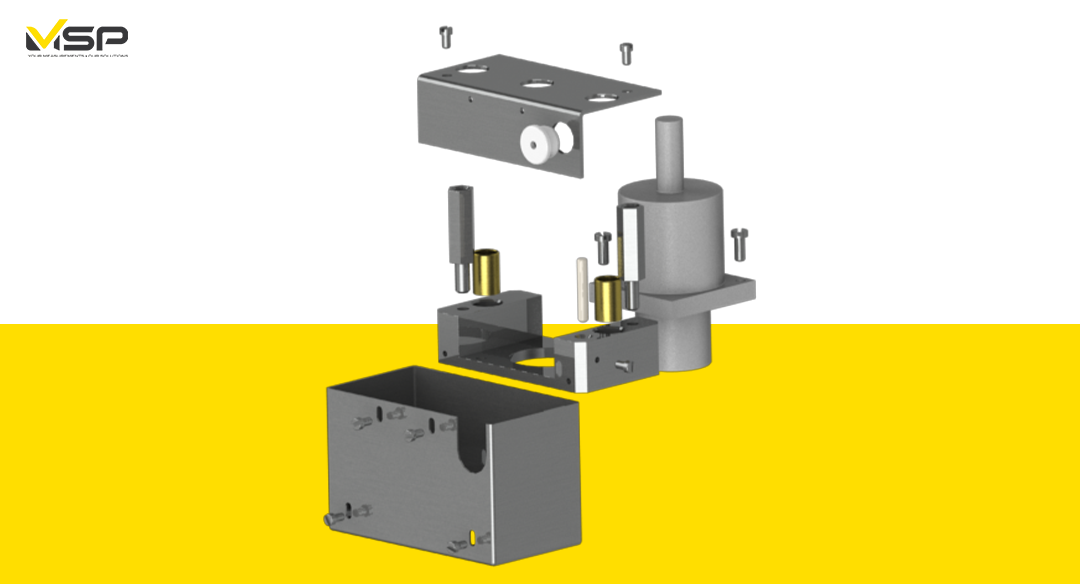
3. Ensures Parts Fit During Assembly
MI machines check GD&T to make sure:
-
holes line up
-
parts sit flat
-
shafts fit into bearings
-
surfaces are smooth enough
-
assemblies are not forced
This reduces rework, scrap, and production delays.
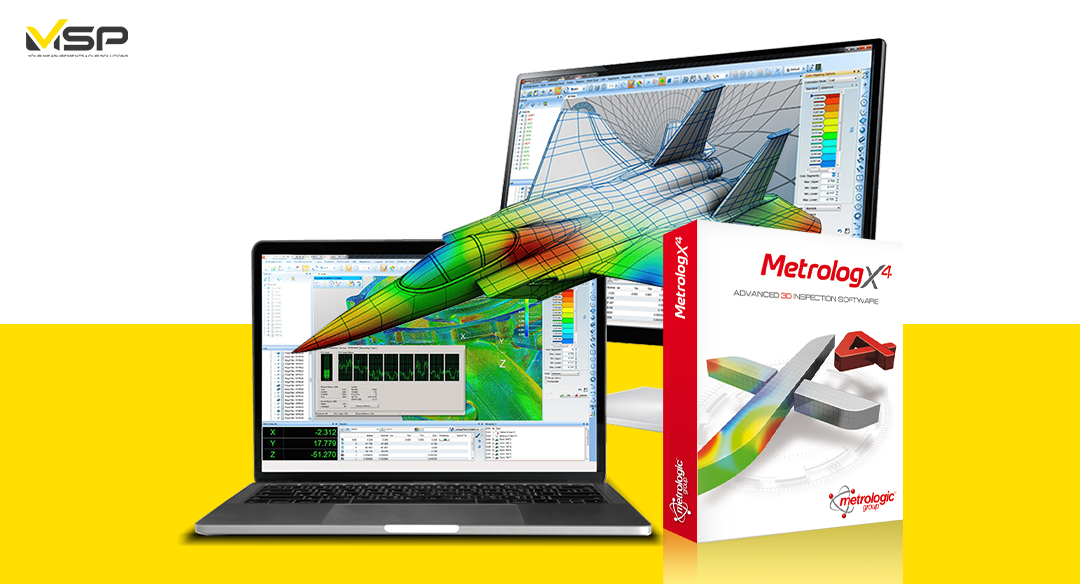
4. MI Software Works Directly With GD&T
Software like Metrolog X4, Metlogix, automatically:
-
calculate GD&T
-
compare results to tolerance
-
generate pass/fail reports
-
create deviation color maps
-
run automated inspection programs
GD&T is the “project file” that these systems read.
5. Supports International Standards
GD&T follows:
-
ASME Y14.5 (American standard)
-
ISO 1101 (International standard)
MI products must support these to serve:
-
automotive
-
aerospace
-
semiconductor
-
medical
-
machining industries
Services MSP Provides for MI Products
MSP supports the complete lifecycle of your MI systems with four core service pillars:
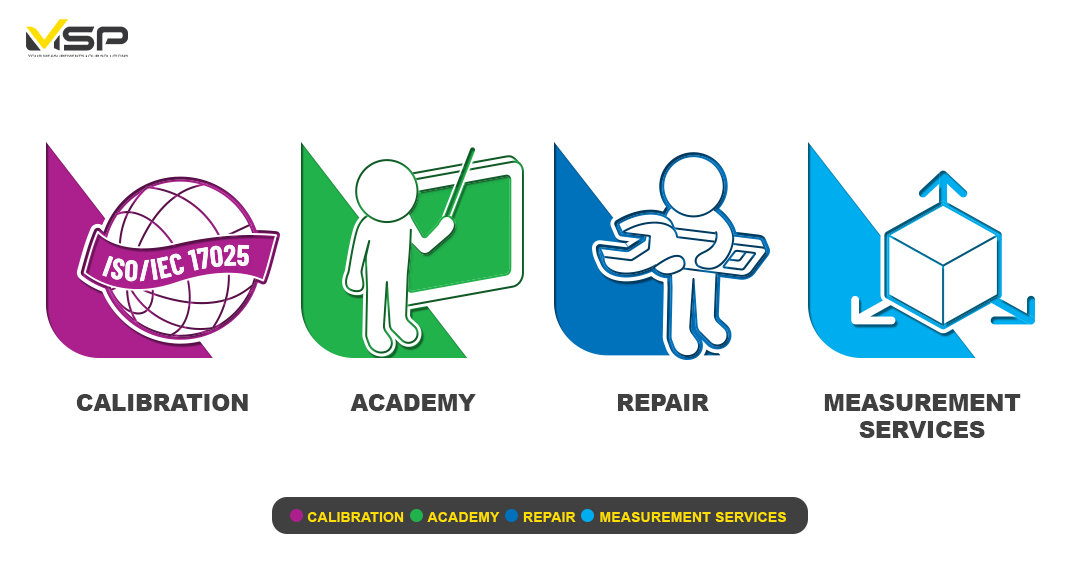
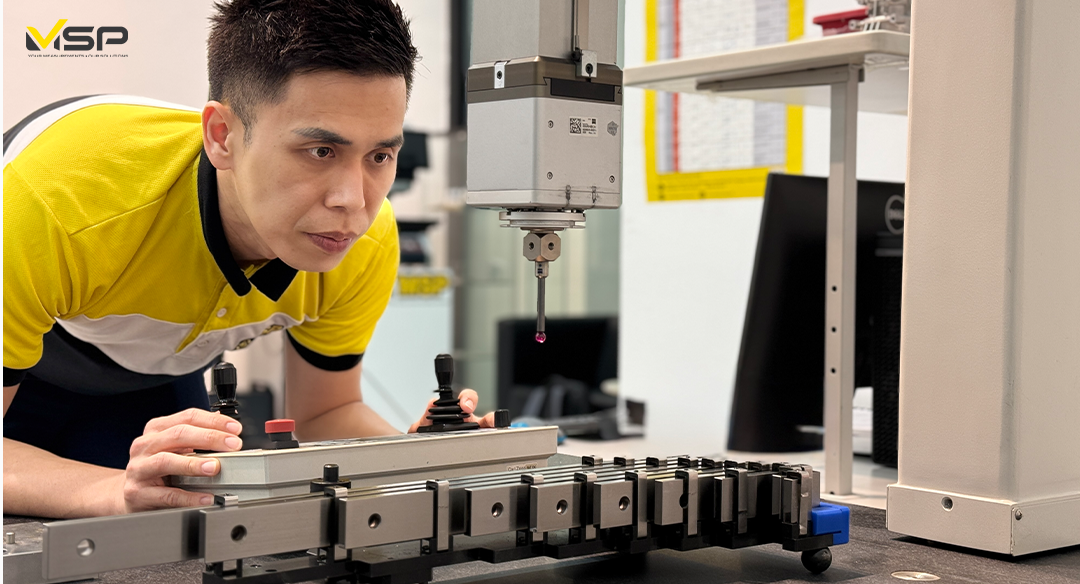
Calibration
Accurate calibration ensures your measuring tools stay precise.
We provide calibration for:
-
CMM
-
VMM / OMM
-
Microscopes
-
Roughness machines
-
Gauges & measuring tools
All calibrations follow ISO/IEC 17025 requirements (SAMM accredited where applicable).

Academy
Training designed for engineers, QC teams, and technicians.
We offer:
-
CMM / VMM operation training
-
Metrology fundamentals
-
Software training (Metrolog X4, Metlogix, and others)
-
Hands-on practical lessons
-
HRD Corp claimable courses
Our goal: Help your team measure with confidence.
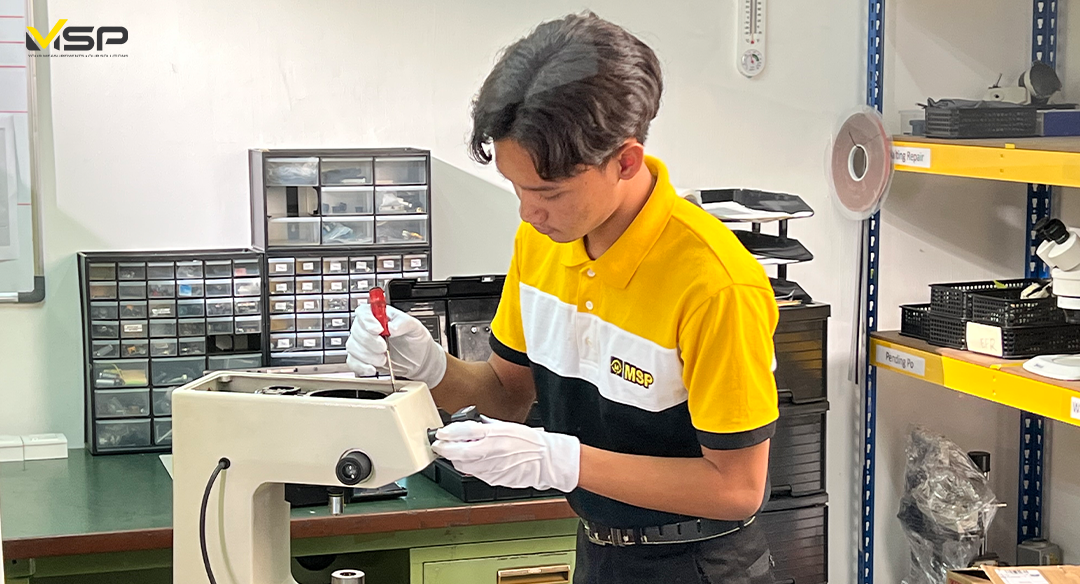
Repair
Fast, reliable repair services for MI equipment:
-
CMM alignment & component repair
-
VMM/OMM servicing
-
Microscope & optical inspection system repair
-
Replacement parts & upgrades
-
On-site troubleshooting & restoration
We help you reduce downtime and keep production moving.
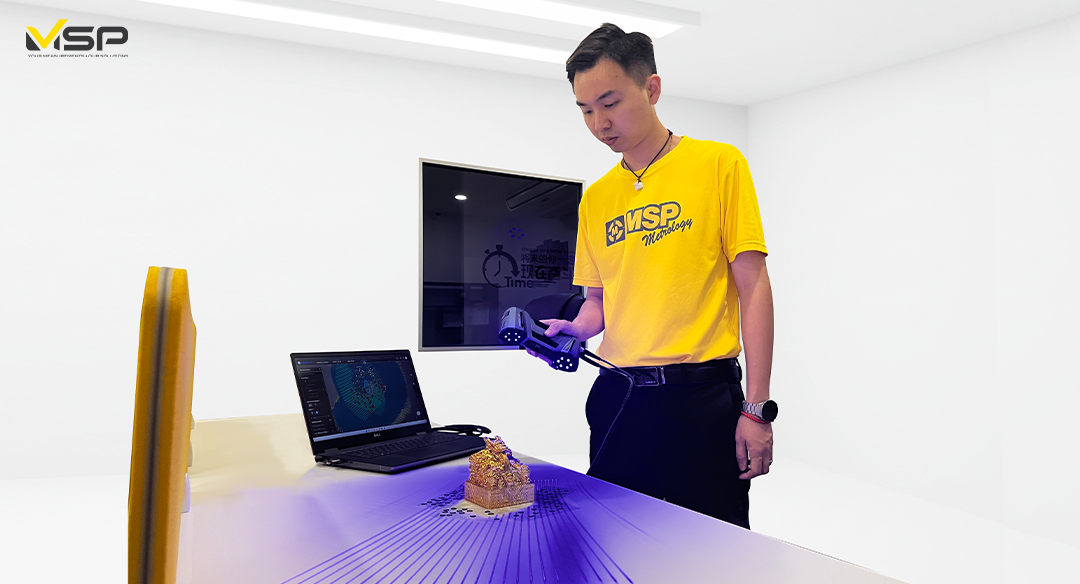
Measurement Services
Don’t have the equipment? Let MSP measure for you.
Our measurement service covers:
-
CMM inspection
-
3D scanning
-
Roughness checking
-
Hardness testing
-
Contour & profile measurement
-
Visual/optical inspection
This service is ideal for overflow jobs, urgent checks, or companies without full metrology setups.
5) Competitive Advantage
a) ISO 17025 will help you differentiate your lab from competitors by showcasing better adherence to international standards.
b) It increases marketability and attracting more clients who seek certified, reliable results.
c) It improves efficiency and consistency, leading to higher quality outcomes compared to non-accredited labs.
Learn to implement ISO Methodologies with our ISO Certification Course today!
Why Choose MSP for Your MI Solution?
-
Full ecosystem: hardware + software + service
-
Local support, fast response
-
Accredited calibration (SAMM 1066)
-
Experienced technical team
-
Trusted by manufacturers across Malaysia
-
Solutions for both SMEs and MNCs
For More Info Us, Visit Our Socials


MSP Metrology
Your Measurements, Our Solutions.
See also our services: https://mspmetrology.com/msp-services/
Above sharing are for our latest announcement and news. If you have any enquiry with any other metrology products, welcome to contact us by email: enquiry@mspmetrology.com